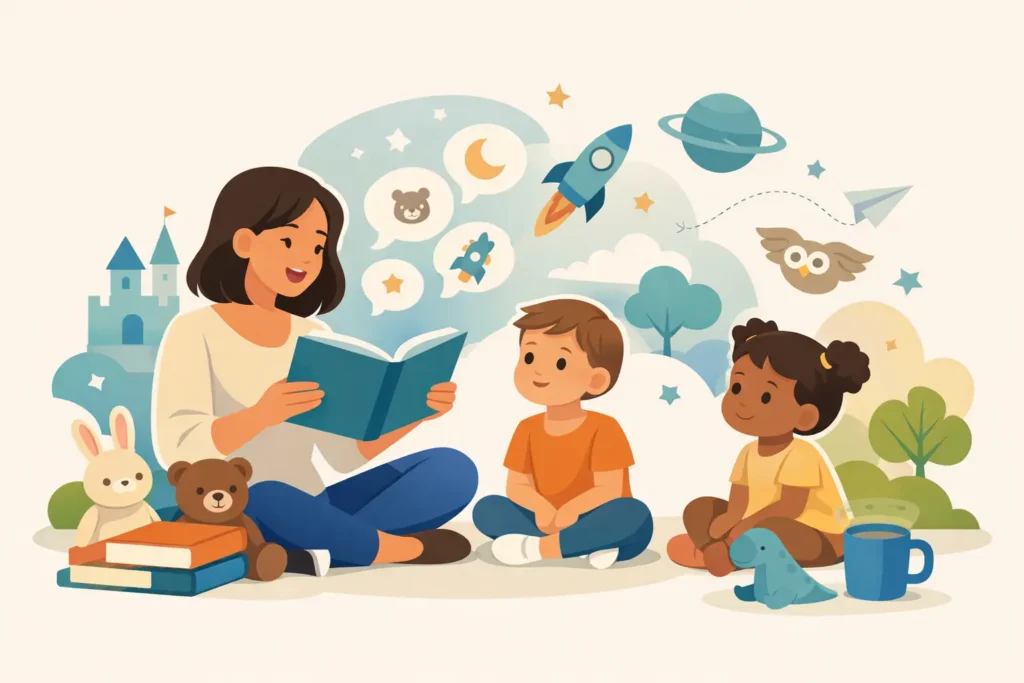
Some books make preschoolers wiggle, wander, and ask for a snack by page three. Others pull a whole room together. If you are searching for the best read aloud books preschool children genuinely enjoy, the sweet spot is simple: lively language, strong rhythm, clear pictures, and just enough repetition for children to join in.
At the preschool age, reading aloud is doing much more than filling time before nap or bedtime. It builds listening stamina, grows vocabulary, introduces story structure, and creates the kind of positive reading routine that supports kindergarten readiness. The right book can also help with real-life moments, from transitions and big feelings to learning how to share, wait, notice, and wonder.
What makes the best read aloud books for preschool?
Preschoolers usually respond best to books they can participate in. That might mean repeating a phrase, predicting what comes next, making a silly sound, or spotting a visual clue in the illustrations. Books with long blocks of text can work for some children, but for group reading especially, shorter and more rhythmic tends to go better.
It also helps when a book matches a preschooler’s world without talking down to them. Animals, family routines, friendship, weather, feelings, bedtime, and small everyday adventures all land well. At the same time, a truly strong read-aloud gives children something new – a playful phrase, a new idea, or a pattern they can remember and retell later.
If you read to a mixed-age group, it depends on attention span and personality. Some children love gentle, cozy stories. Others need sound effects, movement, and a little suspense. That is why a balanced read-aloud shelf matters more than chasing only classics or only trendy titles.
15 best read aloud books preschool kids ask for again
1. Brown Bear, Brown Bear, What Do You See?
This is a preschool staple for a reason. The repeating pattern supports memory, color recognition, and confidence. Children quickly learn the rhythm and begin “reading” along, which makes it especially helpful for early literacy routines.
2. Chicka Chicka Boom Boom
Few books bring as much energy to alphabet learning as this one. The rhyme is catchy, the letters feel like characters, and the pace keeps children listening closely. It is fun, but it also reinforces letter names in a memorable way.
3. The Very Hungry Caterpillar
This book works well because it combines simple storytelling with concepts preschoolers are already learning, like counting, days of the week, and sequencing. It also opens easy conversations about growth and change.
4. Where the Wild Things Are
This is a slightly moodier choice, which is exactly why it belongs on many preschool shelves. It gives children space to explore imagination, misbehavior, and big emotions in a safe way. For very young or sensitive listeners, it may work better one-on-one than in a large group.
5. We’re Going on a Bear Hunt
If you need movement during story time, this one is gold. The repeated refrain invites children to chant along, and the sensory language makes it easy to act out. It is an excellent choice when kids are restless.
6. Llama Llama Red Pajama
Preschoolers connect with separation anxiety, bedtime routines, and the need for reassurance. The rhyme makes it enjoyable to read aloud, while the story speaks directly to emotions many young children are still learning to name.
7. Pete the Cat: I Love My White Shoes
This title shines because it models flexibility in such a cheerful way. Things change, mistakes happen, and Pete keeps going. The repetition and song-like structure make it especially appealing in classrooms.
8. Don’t Let the Pigeon Drive the Bus!
Interactive books often become favorites fast, and this one almost always gets strong participation. Children love telling the pigeon “no,” which gives them a playful sense of power while practicing listening and response.
9. Goodnight Moon
Not every read-aloud needs to be high energy. This quiet classic supports vocabulary, observation, and calm attention. It is especially effective for bedtime, rest time, or winding down after a busy day.
10. The Snowy Day
This gentle story has a simple plot, but it creates strong engagement because preschoolers understand the joy of exploring the world with curiosity. It is also a wonderful choice for seasonal themes and discussion.
11. Dear Zoo
Lift-the-flap books can be very effective for younger preschoolers who need hands-on engagement. This one builds prediction skills and animal vocabulary, and the structure keeps children involved from start to finish.
12. Press Here
For children who think books should be interactive, this title is a smart pick. It invites participation without screens and shows that reading can feel active and surprising. It also works well for children who are less interested in traditional stories.
13. Giraffes Can’t Dance
This book blends rhythm, encouragement, and a strong social-emotional message. It helps children think about confidence, differences, and finding their own strengths. The language is fun to read, and the message is easy to revisit later.
14. The Gruffalo
For older preschoolers, this one offers a little more story complexity and richer vocabulary. The rhyme carries it along beautifully. If your group can handle a longer plot, it often becomes a repeated favorite.
15. If You Give a Mouse a Cookie
Cause and effect is a big preschool thinking skill, and this book makes it funny and memorable. Children enjoy the chain of events, and adults can use it to talk about sequencing and prediction in a very natural way.
How to choose the right preschool read-aloud for your child or class
The best choice depends on your goal. If you are building early literacy skills, books with rhyme, repetition, and strong sound patterns are especially useful. If your child struggles to sit still, interactive stories with movement or call-and-response usually work better than quiet descriptive books.
For classroom use, picture visibility matters more than many adults expect. A wonderful story can fall flat if the illustrations are too small for group sharing. At home, you have more flexibility. You can pause, ask questions, revisit pages, or let your child interrupt every other sentence with a personal story.
It is also okay if a book that is labeled a classic does not work for your child right now. Attention span, sensitivity, and humor vary a lot in the preschool years. One child may adore suspense and silliness, while another wants calm, predictable stories every single night.
Turning the best read aloud books preschool children love into learning time
You do not need to turn every story into a lesson, but a few simple follow-up ideas can strengthen learning without taking away the joy. After reading, ask your child to retell what happened first, next, and last. Invite them to name a favorite character, repeat a funny line, or connect the story to their own life.
For alphabet or phonics support, notice beginning sounds in character names or repeated words. For vocabulary, pause briefly to explain one or two new words in context. For comprehension, keep questions simple and open-ended, such as “What do you think will happen next?” or “Why was the character upset?”
Many parents and teachers find that pairing books with light extension activities keeps learning meaningful. A bear hunt story can lead to a nature walk. A caterpillar book can lead to counting or a life cycle craft. At Kids Learning Journey, this kind of playful follow-through is often where books become part of a larger early learning routine rather than a one-time activity.
Common mistakes when reading aloud to preschoolers
One of the biggest mistakes is choosing books based only on adult taste. Beautiful writing matters, but if the language is too dense or the story runs too long, children may lose interest before the book gets good. Another common issue is reading straight through without interaction. Preschoolers learn best when they can talk, point, predict, and participate.
Pacing also matters. Reading too fast can flatten a great story, while too many stop-and-teach moments can break the rhythm. Usually, the best approach is a warm, expressive read with a few natural pauses. Let the story breathe.
And if your child wants the same book five nights in a row, that is not a problem to solve. Repetition is part of how young children build language and confidence. Familiar books help them anticipate, remember, and eventually retell.
Building a preschool read-aloud routine that lasts
A strong read-aloud habit does not need a complicated schedule. Ten focused minutes can do a lot, especially when it happens consistently. Keep a small rotating basket of books within reach, mix familiar favorites with one or two new titles, and pay attention to what your child wants to hear again.
For classrooms, it helps to vary the mood across the week. Use high-energy books when children need movement and quieter stories when the group needs to settle. For families, bedtime is a natural anchor, but stories also work well after lunch, before quiet time, or as a screen-free reset in the late afternoon.
The best read-aloud book is often not the most award-winning one. It is the one that makes your preschooler lean closer, join in, laugh at the same part again, and ask, “Read it one more time.” That is where language grows, confidence builds, and a love of reading starts to feel like part of everyday life.