What if that simple box of crayons could do more than just keep your child busy? What if it could actually help build the foundational skills they need for reading and writing? It’s a powerful idea, and it’s one that’s easier to achieve than you might think.
We know how challenging it can be to find engaging, screen-free activities. You spend time searching for high-quality printables, only to find blurry images or pages that don’t hold your little one’s attention for more than five minutes. This guide is here to help. We promise to show you how our collection of free animal coloring pages can transform that quiet moment into a magical learning journey, supporting fine motor skills and sparking curiosity about the natural world.
Get ready to discover dozens of beautiful, ready-to-print pages and simple tips to make every coloring session an opportunity for your child to learn, create, and grow.
Key Takeaways
- Discover how a simple coloring activity can support foundational writing skills and create a calm, focused quiet time for your child.
- Learn to select animal coloring pages based on habitats, turning a fun activity into an exciting and simple lesson on biodiversity.
- Find 5 creative and easy craft ideas that transform a finished coloring sheet into a new activity for the whole family.
- Understand how to use coloring as a powerful visual tool to introduce new letters and support early phonics development.
Why Animal Coloring Pages are a Magical Learning Tool
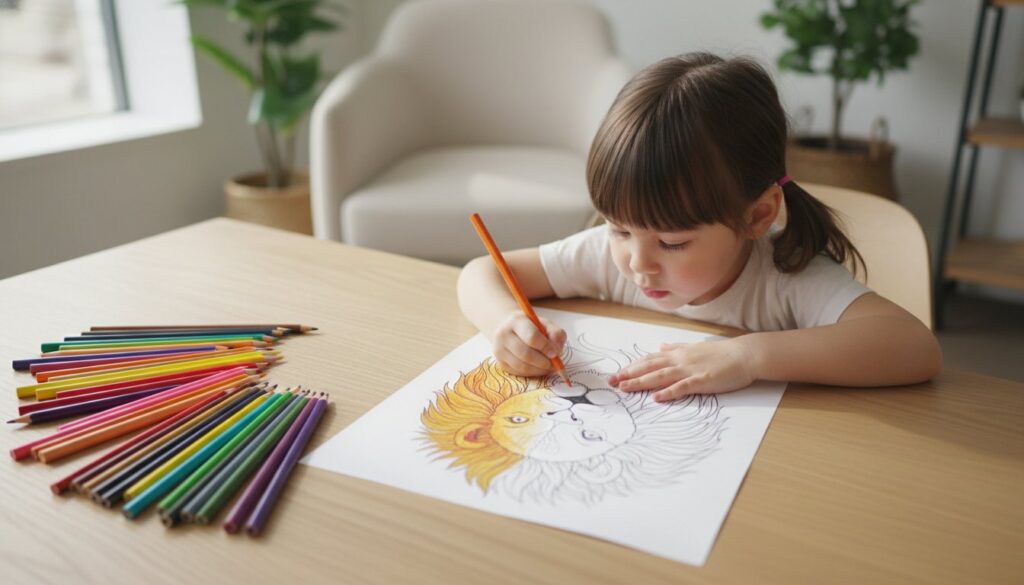
There’s a special kind of magic that happens when a child sits down with a fresh box of crayons and a simple black-and-white outline. What begins as a fun way to pass the time quickly becomes a powerful, play-based learning experience. For little ones, coloring is one of the very first ways they can express their creativity, build foundational skills, and enjoy some cozy, quiet time. It’s a simple activity with profound benefits for their growing minds and bodies.
When you offer your child a picture of a roaring lion or a graceful giraffe, you’re doing more than just handing them a fun activity. You’re opening a door to natural curiosity. Suddenly, questions start to bubble up. “Where do tigers live?” “What do koalas eat?” These moments sparked by animal coloring pages are the building blocks of early biology and geography lessons. They transform a creative session into an exciting exploration of the amazing world we share with these creatures.
Watching a child’s coloring evolve is like watching a key developmental milestone unfold in real-time. The journey from enthusiastic, boundary-free scribbling to carefully coloring inside the lines represents a huge cognitive leap. It shows that your child is developing greater control, focus, and an understanding of structure. Educators have long recognized this power; in fact, the history of coloring books shows they’ve been used as educational tools for well over a century to help children develop these exact skills.
Building Fine Motor Skills and Hand-Eye Coordination
Every time your child grips a crayon, they are strengthening the small intrinsic muscles in their hands and fingers. This action builds the ‘pincer grasp,’ a foundational skill needed to hold a pencil and write their name later on. The challenge of staying within the lines isn’t just about neatness; it’s a powerful exercise for developing spatial awareness and hand-eye coordination. Bilateral coordination also comes into play, as a child learns to use one hand to hold the paper steady while the other hand colors.
Encouraging Emotional Regulation and Focus
For high-energy kids, coloring can be a wonderfully calming, almost meditative activity. It encourages them to slow down, concentrate on a single task, and channel their energy into a creative outlet. Finishing a page gives them a tangible result for their efforts, building a strong sense of accomplishment and boosting their self-esteem. You can support this growth by creating a nurturing space for them to create.
Here are a few simple tips for creating a positive coloring environment:
- Offer Choice: Let your child pick which animal they want to color. This gives them a sense of ownership over the activity.
- Focus on Process, Not Perfection: Praise their effort and color choices, not just how well they stayed in the lines.
- Create a Cozy Corner: Set up a comfortable, well-lit spot with all their supplies easily accessible.
Ultimately, these delightful animal coloring pages are far more than just a way to keep little hands busy. They are a gentle, fun-filled tool that supports emotional, cognitive, and physical development, helping your child grow one colorful page at a time.
From Farm to Safari: Exploring Animal Habitats Through Color
Coloring is so much more than a quiet-time activity. It’s a powerful tool for discovery. When you group your child’s favorite animal coloring pages by where the animals live, you create a gentle, play-based lesson in biodiversity. Your child isn’t just coloring a lion; they’re visiting the African savanna. They aren’t just shading in a dolphin; they’re exploring the deep blue sea. This habitat-based approach turns a simple stack of paper into a passport to the world’s amazing ecosystems.
This is also a perfect moment to explore creativity. Does a bear have to be brown? Not at all! A blue bear is a wonderful chance to talk about imagination. You can ask, “What color are bears in storybooks?” This helps your child understand the difference between realistic traits and creative expression. As they grip their crayons, they are developing crucial fine motor skills, moving through the foundational stages of learning to write and draw that build a base for future literacy. To make it even more fun, add sounds and movement! Roar like a tiger or hop like a kangaroo to bring the whole experience to life.
Domestic and Farm Animals: The First Introduction
Starting with familiar friends like cows, pigs, and chickens builds immediate confidence. These are animals preschoolers often recognize from books and songs. Use these pages to gently introduce where our food comes from. For example, a cheerful cow page can spark a simple chat about milk and cheese. Try these prompts to deepen the learning:
- “What sound does a sheep make? Let’s say ‘Baa!’ every time we color a piece of its fluffy wool.”
- “Where does this pig live? We can draw a muddy puddle for him to play in right next to his barn!”
- “Cows give us yummy milk. What other animals live on a farm and help us?”
Wild Adventures: Safari and Jungle Creatures
Ready for an adventure? Pages with lions, elephants, and monkeys introduce a world beyond the backyard. This is a wonderful opportunity to talk about patterns. Coloring a zebra’s stripes or a giraffe’s spots helps children develop pattern recognition, a key pre-math skill. It’s also the perfect time to explain the important difference between ‘wild’ animals and ‘pets.’ A cat might curl up on our lap, but a tiger is a powerful creature that needs its own space in the wild jungle.
Under the Sea: Marine Life and Ocean Wonders
Dive into a magical world of whales, dolphins, and rainbow-colored fish. Coloring ocean scenes allows children to experiment with the entire blue-green spectrum of their crayon box. As they shade the water, you can talk about why we need to keep our oceans clean for these beautiful animals to thrive. To extend the fun, link this coloring time to a sensory activity. Create a small “ocean bin” with water, a few drops of blue food coloring, and some bath toys for a truly immersive learning journey.
By organizing your coloring activities this way, you support your child’s natural curiosity and create meaningful connections to the world around them. For a complete collection of habitat-themed printables, you can explore our full library of animal coloring pages.
Choosing the Right Coloring Complexity for Every Age
Have you ever printed an exciting new coloring page, only to watch your little one lose interest after just a few scribbles? It’s a common experience, and it often comes down to a simple mismatch. A one-size-fits-all approach to animal coloring pages doesn’t work because a child’s abilities grow so quickly. A page that delights a six-year-old with its intricate details can easily overwhelm a toddler who is just learning to hold a crayon. Matching the complexity of the page to your child’s developmental stage is the secret to turning coloring time into a joyful and confidence-building activity, not a frustrating one.
The goal is to provide a “just-right” challenge. This keeps them engaged and helps them build foundational skills without feeling discouraged. Think of it as a journey from big, bold shapes to delicate, detailed scenes. Each stage supports a different aspect of their growth, from motor control to creative expression.
Simple Outlines for Toddlers and Young Preschoolers
For children between 1 and 3 years old, the world of coloring is all about exploration. Their main job is to figure out how to make a mark on the page. According to the CDC’s developmental milestones, most 2-year-olds are mastering scribbling, not yet coloring within lines. This is why simple pages are so powerful. Look for designs that feature:
- Thick, bold borders: These provide a clear and forgiving visual boundary, making it easier for small hands still developing a pincer grasp to connect crayon to paper with success.
- Single, large subjects: A single, happy lion or a big, friendly bear without a busy background helps your child focus. It reduces cognitive overload and allows them to celebrate coloring one recognizable shape.
- The right tools: Chunky, egg-shaped, or jumbo crayons are perfect for this age. They are designed to be gripped with a whole fist (a palmar grasp), which is the natural way toddlers first hold a writing tool.
At this stage, celebrate the process, not perfection. If they color the pig blue or scribble outside the lines, that’s wonderful! It’s called process art, where the joy is in the act of creating. Every colorful scribble builds hand strength and creativity.
Detailed Designs for Older Children and School-Age Kids
As children enter school, typically between ages 5 and 8, their fine motor skills have blossomed. They can hold a pencil with a tripod grasp and are ready for more complex challenges that build new skills. A 2020 study from the American Art Therapy Association found that structured coloring activities can improve focus in this age group. This is the perfect time to introduce more advanced animal coloring pages.
These older artists are ready to move from simple shapes to pages that tell a story. They can handle realistic animal features, like the pattern on a giraffe’s coat or the scales on a fish, and are excited by environment-rich backgrounds. You can support their creative growth by offering:
- Color-by-number or mandala-style animals: These structured pages are fantastic for building concentration and the ability to follow directions, all while having fun.
- Opportunities for new techniques: Introduce the idea of shading and blending. With colored pencils or fine-tip markers, you can encourage them to make some parts of the animal darker and others lighter, adding depth and realism to their work.
By carefully selecting a coloring page that aligns with their abilities, you do more than just provide a fun activity. You empower your child, build their artistic confidence, and support their incredible developmental journey, one colorful page at a time.
5 Creative Ways to Use Coloring Pages Beyond the Crayon
A finished coloring page isn’t the end of the fun; it’s the beginning of a new adventure! These simple sheets of paper are powerful tools for transforming a quiet activity into an engaging, multi-dimensional learning experience. You can build foundational skills in literacy, science, and emotional intelligence with just a few extra materials. It’s all about seeing each colored page as a launchpad for family fun and deeper connection.
Let’s explore five simple ways to give your child’s beautiful artwork a second life, turning their creative efforts into treasured keepsakes and powerful learning moments.
Creating a DIY Animal Fact Book
Transform a collection of completed animal coloring pages into your child’s very first encyclopedia. This simple project boosts their sense of ownership and pride in their work. Gather 5 to 10 finished pages, punch holes along the side, and bind them together with yarn or staples. On the back of each page, ask your child, “What’s one cool thing about this animal?” and write down their answer. This simple act of narrating and recording information builds foundational pre-research skills for school.
Puppet Shows and 3D Storytelling
Bring your child’s colorful creatures to life with a homemade puppet show. This activity is fantastic for developing narrative skills and emotional expression. The American Academy of Pediatrics confirmed in a 2018 report that creative play is essential for building social and emotional resilience. Here’s how to get started:
- Create the Puppets: Carefully cut out the colored animals from the page. A little white border is perfectly fine. Use a glue stick or tape to attach each animal to a craft stick or a sturdy straw.
- Build a Habitat: An empty shoebox turned on its side makes a perfect stage or den. Your child can decorate it with crayons, construction paper, or natural items like twigs and leaves to create a jungle, a forest, or an ocean scene.
- Practice Social Skills: Use the puppets to act out simple scenarios. For example, how does the brave lion puppet make friends with the timid mouse puppet? This kind of play provides a safe space for your child to explore complex feelings like shyness, sharing, and kindness.
You can also turn your child’s artwork into a proud display. Create a “gallery wall” in their room by stringing a piece of yarn between two points and using clothespins to hang their latest creations. Swapping out the art every few weeks keeps the display fresh and shows your child that you value their consistent effort. This visual journey of their progress is a wonderful confidence booster.
Finally, use a completed page as a story starter. Ask your child to tell you a story about the animal they just colored. What is its name? Where does it live? What is it about to do? Write their story down on a separate piece of paper and attach it to their artwork. This directly connects their visual creativity with language and writing skills. Ready to build your own creative library? Download our complete bundle of animal coloring pages and bring these magical ideas to life!
Taking the Next Step: Linking Coloring to Literacy and Phonics
Coloring is a world of fun, but it’s also a powerful first step on the path to reading. Every crayon stroke can build the foundational skills your child needs for literacy. This is where our ‘Grow Together’ philosophy truly comes to life. Learning isn’t a task to be completed; it’s a shared journey of discovery. By connecting the joy of creating with the magic of letters, you can transform a simple afternoon activity into a meaningful educational moment you both cherish.
The Phonics Connection: Animals as Letter Anchors
Think about it: ‘A’ is for Alligator, ‘B’ is for Bear. Each animal becomes a memorable, visual anchor for a letter and its sound. While your child colors, you can gently emphasize the starting sound: “L-l-lion!” This simple act connects a visual image to an auditory sound, which is the heart of phonics. You can even point out the uppercase and lowercase letters, making abstract concepts feel friendly and familiar. Pairing these pages with our alphabet tracing printables creates a complete, play-based lesson.
This technique is incredibly effective. Research from literacy experts at the Florida Center for Reading Research shows that creating strong letter-sound associations with keywords and pictures dramatically improves a child’s ability to recall them. When a child sees the letter ‘C’, their brain doesn’t just see a curve; it recalls the cute, cuddly cat they colored, making it easier to remember the /k/ sound. It’s a natural bridge from recognizing a picture to recognizing a letter.
As your little one gets more confident, you can introduce the next step. After they finish coloring the zebra, encourage them to trace the letters in its name: Z-E-B-R-A. This simple extension of the activity reinforces letter shapes, introduces the concept that letters form words, and develops the fine motor control necessary for writing. Our engaging animal coloring pages are designed to support this beautiful, natural progression from artist to early reader.
Download Your Complete Learning Journey Resources
Ready to continue the adventure? Our Joyful Phonics digital products and e-books are designed as the perfect next step. We believe learning materials should feel as warm and inviting as a hug, so we’ve created every worksheet with a nurturing and gentle aesthetic. Our resources are crafted to build confidence, not pressure, ensuring your child’s first steps into reading are filled with delight and encouragement.
Every download is an opportunity to learn, read, write, and grow together. We provide the tools so you can focus on what matters most: creating positive, lasting memories with your child. From first sounds to first sentences, we’re here to support your family every step of the way. Explore our full library of educational e-books and worksheets and find the perfect resources to enrich your child’s learning journey today.
Bring Your Child’s Learning to Life with Color
Coloring is so much more than a simple rainy-day activity. It’s a powerful tool that helps your child build the fine motor skills essential for writing their name by age 5 and introduces them to diverse animal habitats, from the Amazon rainforest to the African savanna. These vibrant animal coloring pages act as a wonderful first step, sparking curiosity and creativity in every crayon stroke.
Ready to build on that creative energy? The journey from coloring lions to sounding out the letter ‘L’ is a natural and exciting one. Start your child’s magical learning journey with our Phonics Worksheets! Designed by our team of 5+ early childhood educators for parents just like you, these resources support foundational reading and writing skills. Our gentle, play-based approach ensures learning always feels like an adventure.
You’re giving your child a beautiful start. Keep nurturing that love for learning, one colorful page at a time.
Frequently Asked Questions
Are animal coloring pages actually educational for toddlers?
Yes, animal coloring pages are a powerful educational tool for toddlers. They help build foundational skills that are critical for development. Coloring supports the development of the pincer grasp, a key fine motor skill toddlers master between 9 and 12 months. It also improves hand-eye coordination and introduces them to new concepts like different animal names, colors, and shapes in a fun, play-based way.
How can I make coloring more engaging for a child who gets bored easily?
You can make coloring more engaging by introducing fun, new textures and tools. Instead of just crayons, try offering washable paint with cotton swabs or small sponges. You can also add craft supplies. For example, glue small pieces of yellow yarn for a lion’s mane or a fluffy cotton ball for a sheep’s wool. This sensory variety can hold a child’s attention for much longer than a single activity.
What are the best types of crayons or markers for animal coloring?
The best tools depend on your child’s age and developmental stage. For toddlers around 18 months, chunky or egg-shaped crayons are perfect because they are easy for small hands to grip. For preschoolers aged 3 to 5, washable, broad-tip markers are a great choice. They provide vibrant color with minimal pressure, which prevents frustration and builds confidence as they create their masterpieces.
Can coloring help my child improve their handwriting later on?
Absolutely. Coloring is a direct pre-writing activity that builds the foundational skills for handwriting. The American Occupational Therapy Association has shown that strong fine motor skills are a primary predictor of future writing ability. Coloring strengthens the small muscles in your child’s hands and fingers, improving their dexterity and control, which they’ll need to form letters when they start school.
Where can I find free, high-quality animal coloring pages that aren’t blurry?
You can find hundreds of free, high-quality animal coloring pages right here on our website, all available as easy-to-download PDFs. For a crisp print, always look for files in PDF format, as they typically maintain a high resolution of 300 DPI. Other excellent sources for clear printables include educational sites like PBS Kids and National Geographic Kids, which offer resources designed for home use.
How do I explain different animal habitats to a preschooler while coloring?
Explain habitats by connecting the animal to a simple, relatable “home.” As your child colors a polar bear, you can say, “Polar bears live in a very cold, snowy home called the Arctic!” For a fish, you might say, “This fish’s home is a big body of water called the ocean.” Using the word “home” makes the concept of a habitat understandable for a 3 or 4-year-old.
Is it okay if my child colors a lion blue or a pig green?
Yes, it’s absolutely okay and is actually a wonderful sign of creativity. For children under 5, coloring isn’t about realism; it’s about self-expression and exploring how colors work. This imaginative phase is a normal part of their artistic development. Encourage their choices by saying, “Wow, I love your blue lion! It’s so unique.” This builds their confidence and shows that their ideas are valued.
How many coloring pages should a child do in one sitting?
There’s no magic number; let your child’s engagement be your guide. A good rule of thumb is to expect about 3 to 5 minutes of focused attention per year of their age. A 3-year-old might happily color one page for 10-15 minutes, while an older child might do more. The goal is to end the activity while it’s still fun, not to push them to finish a certain number of pages.